


About
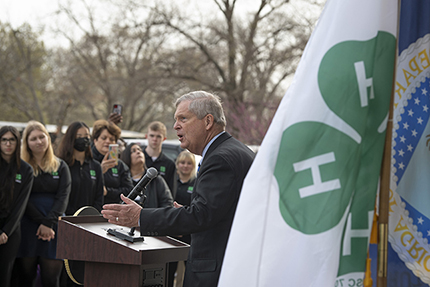
The National 4-H Conference is the premier youth development event for youth 4-H members (15-19 yrs.) who are actively engaged in 4-H programs across the U.S. and its territories. The conference is administered by 4-H National Headquarters of the National Institute of Food and Agriculture (NIFA) within the U.S. Department of Agriculture (USDA). Deemed “the Secretary’s Conference”, this experience upholds a tradition dating back to 1927. Known then as the “National 4-H Club Camp”, delegates slept in tents on the grounds of the National Mall in front of the Department of Agriculture (USDA) in Washington, DC. Held annually, except for several years during World War II, the camp served to develop the next generation of leaders. Delegates attended training workshops, became acquainted with government and had the opportunity to meet with state leaders. In 1958, the event name was changed to National 4-H Conference and, in 1959, the meeting moved from the National Mall to the newly founded National 4-H Center in Chevy Chase, MD (right outside of Washington, D.C.).
Today, National 4-H Conference has remained true to its original intent while continuing to be future focused. In addition to recognizing and developing the next generation of future leaders, National 4-H Conference is an exciting educational and leadership opportunity, convening 4-H youth, Extension professionals and adult volunteers to learn and share information on current trends and/or issues relevant to 4-H and youth, building effective partnerships, creating innovative 4-H programs, expanding the use of technology, working with diverse groups, and impacting community needs. The National 4-H Conference brings together the resources of the 4-H program – the U.S. Department of Agriculture, the Land-Grant University System, Cooperative Extension, 4-H adult volunteers, and other affiliates - that build and sustain effective programs for 4-H youth.
4-H programs excel in providing opportunities for youth to experience all four Essential Elements of the 4-H Youth Development Program – Belonging, Independence, Mastery and Generosity. These essential elements are considered the best practices of 4-H programs and support the ideals that when there are sustained opportunities for young people to gain a sense of belonging, independence, mastery and generosity, youth can master skills to make positive life choices; participate in decision-making processes; act responsibly; positively influence their communities; and develop into informed, active, engaged citizens. The purpose of National 4-H Conference is to build on the Essential Elements with the following objectives:
- Stimulate thought around current priorities/needs and move youth delegates to action in their local communities;
- Reinforce the rich history of 4-H and its valuable tie to Cooperative Extension and the land-grant system;
- Engage delegates with leaders from USDA, CSREES, the Land-Grant University system, as well as, their local, state and national partners;
- Enlighten delegates to the valuable work and research coming out of the land grant universities;
- Provide an opportunity for delegates to engage as citizens by meeting with their congressional representatives to discuss issues affecting their communities;
- Enhance valuable 21st century skills leadership skills such as adaptability, team-building and communications.
- Gather feedback from our most important stakeholders – youth!
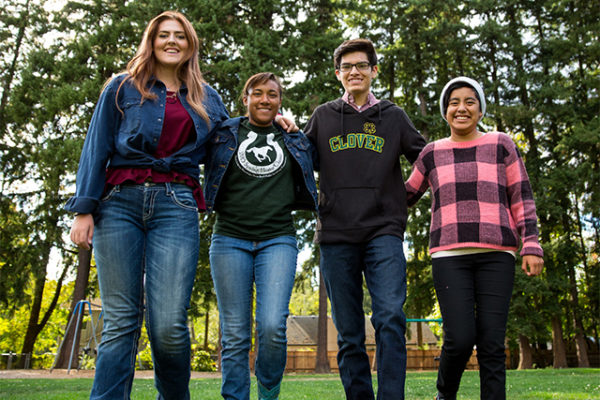
An invitation is extended to the more than 100 Land-Grant colleges and universities across national and its territorities to send a delegation of high-school 4-H members (15-19 yrs.) to represent their state's 4-H program at the National 4-H Conference. Each land-grant institution has a process by which it selects 4-H members to attend the conference. While there are many ways for 4-H members to get to the conference – nomination, award recognition, identified youth leader, etc., what is most important is the impact 4-H members will have on their communities after the National 4-H Conference experience … What will they do?; How will they work to improve youth programs in their communities and state?; and how will they exemplify the ideals of the 4-H program as active and contributing citizens to our society?